-
By:
- collin
- No comment
madeira thread color chart pdf
Madeira Thread Color Charts Overview
Download free PDF charts from Madeira’s official site and trusted partners such as WAWAK and Continental Sewing. These printable guides list color names, numbers, and Pantone matches for rayon, polyester, and metallic lines, enabling precise thread selection for embroidery projects. right! now.
What Are Madeira Threads?
Madeira threads are a premium range of embroidery yarns produced in the United States and distributed worldwide. The brand offers three core families – Classic Rayon, Polyneon Polyester and Metallic – each engineered for specific stitch‑type performance and visual effect. Rayon fibers give a silk‑like sheen and excellent color‑saturation, making them the preferred choice for detailed, high‑definition designs. Polyester (Polyneon) provides superior durability, UV resistance and a slightly matte finish that holds up well on heavy fabrics and outdoor applications. Metallic threads contain a fine metal‑foil core wrapped in a protective yarn, delivering sparkle while still being machine‑embroidery‑compatible.
Every shade is identified by a unique numeric code and a descriptive name, for example “1066 Maize” or “75 Copper”. These identifiers appear on the official PDF color charts that Madeira makes available for free download. The charts also list Pantone equivalents where applicable, allowing designers to coordinate thread colors with graphic‑design standards. Because the color database is continuously updated, the PDFs include the most recent releases, such as new neon shades added in 2025.
Madeira’s manufacturing ensures consistent dye‑lot matching, so a 1066 thread looks identical in bulk or single skein. This reliability makes professionals, fashion houses and hobbyists trust Madeira as a color‑accuracy benchmark for embroidery use.
Why Color Accuracy Matters
In embroidery, the visual outcome hinges on precise color matching. A single shade discrepancy can distort gradients, ruin ombre effects, or clash with garment dyes, leading to costly re‑work or customer dissatisfaction. Designers rely on accurate color references to translate digital proofs into physical threads; any deviation can alter the perceived mood or brand identity of the finished piece. Madeira’s color‑chart PDFs provide a standardized palette that aligns with Pantone and industry norms, enabling seamless communication between designers, suppliers, and embroiderers. Consistent color fidelity also supports quality control, ensuring that batches of thread maintain the same hue across production runs. For large‑scale projects, such as apparel lines or home‑decor collections, even minor variations can accumulate, affecting brand consistency and market perception. Accurate color data reduces guesswork, speeds up selection, and guarantees that the final embroidery matches the intended design. In short, color accuracy is not just a technical requirement; it is a cornerstone of professional craftsmanship, brand integrity, and customer satisfaction.
Moreover, precise color matching streamlines, reduces waste, and boosts brand consistency across collections. Designers can experiment with palettes, confident the final stitch reflects the intended hue. Consistent thread color leads to higher customer satisfaction and repeat business, making accuracy essential in every embroidery workflow.!
Primary Madeira Color Families
Madeira’s thread catalog is organized into distinct color families that cater to a wide range of design needs. The most prominent families are the Classic Rayon line, the Classic Polyester line, and the Metallic series. Each family is subdivided into sub‑ranges that reflect hue, saturation, and finish, allowing designers to pinpoint the exact shade required for a project. The Classic Rayon family, for example, offers a broad spectrum of warm and cool tones, from deep burgundy to soft pastels, all engineered for optimal dye uptake and stitch clarity. The Classic Polyester line focuses on vibrant, high‑luster colors that maintain their brilliance even after repeated washing, making them ideal for apparel and home‑decor applications. The Metallic series introduces iridescent and reflective options, ranging from subtle golds and silvers to bold, eye‑catching hues that add depth and dimension to embroidery designs. In addition to these core families, Madeira provides specialized sub‑ranges such as the “Satin” and “Glitter” lines, which feature unique textures and finishes for premium projects. By offering a structured hierarchy of color families, Madeira ensures that embroiderers can quickly locate compatible threads, maintain color consistency across batches, and execute complex color gradients with confidence. This systematic approach not only simplifies the selection process but also supports designers in achieving precise visual outcomes, whether they are working on a delicate lace pattern or a large‑scale tapestry. The comprehensive PDF charts available from Madeira’s official site and trusted partners present these families in a clear, searchable format, complete with Pantone references and sample swatches for each color. This resource empowers designers to make informed decisions, reduce material waste, and deliver high‑quality embroidery that meets the exact specifications of their creative vision. Thanks!.
For designers who require rapid reference, Madeira’s PDF charts also include a quick‑look index that groups colors by hue family—reds, blues, greens, neutrals—making it easier to spot complementary shades during pattern development. The index is color‑coded, so the visual cue matches the actual thread color, further reducing selection errors.
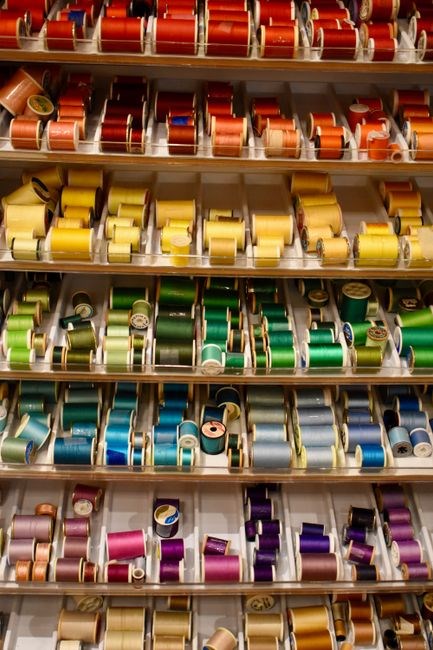
Accessing Madeira Color Charts
Download Madeira PDF charts via the official website, or from partners like WAWAK and Continental Sewing. The PDFs list color numbers, names, Pantone matches, and include printable swatches for quick reference. matchingUse theonline Pantone tool for instant matching
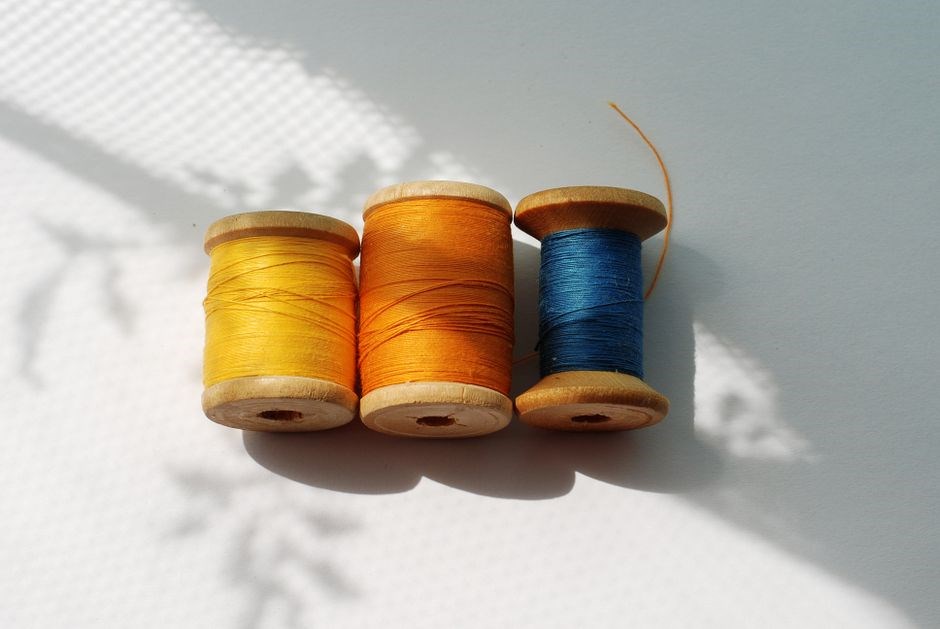
Official Madeira Online Tools
Madeira’s official online platform provides an interactive Pantone matching tool that lets embroiderers compare thread numbers to Pantone shades instantly. By entering a Pantone code or selecting a swatch from the interactive palette, users receive the corresponding Madeira color number, name, and recommended fabric types. The tool displays a side‑by‑side preview of the thread’s appearance under different lighting conditions, helping designers anticipate how the color will look in finished work. The website hosts a searchable database of all current rayon, polyester, and metallic lines, complete with high‑resolution images and downloadable PDF swatches. Each entry lists the thread’s exact hue, saturation, and brightness values, allowing precise color matching across brands. The online tool supports bulk lookup, enabling users to input a list of Pantone codes and receive a consolidated table of Madeira equivalents. Additionally, the platform offers a “compare” feature that overlays two thread colors, making it easy to evaluate subtle differences in tone and undertone. All data is updated quarterly to reflect new releases and discontinued colors, ensuring designers work with the most current information. The interface is fully responsive, functioning seamlessly on desktops, tablets, and smartphones, giving designers flexibility whether they’re in the studio or on the go. The official site also includes a FAQ section addressing common questions about color accuracy, thread finishes, and how to interpret Pantone values in embroidery. By leveraging these features, designers can achieve consistent, high‑quality color results across all projects. Users can export color data to CSV for integration into design software quickly.
Third-Party PDF Downloads
For designers who prefer offline access, several reputable third‑party sites host downloadable PDF versions of Madeira’s color charts. WAWAK’s blog offers a printable “Madeira Embroidery Thread Color Chart” that covers the full spectrum of rayon, polyester, and metallic lines, complete with Pantone reference numbers. Continental Sewing’s online store provides a free PDF that lists each thread’s official name, number, and recommended fabric types, allowing quick visual reference before placing an order. Madeira USA hosts the classic “colornames2015.pdf”, which catalogs the Classic Rayon line with detailed color swatches and numeric identifiers. These PDFs are updated annually to reflect new releases and discontinued colors, ensuring designers work with the most current data. Users can download the files directly from the site’s resources section, save them to local storage, and print them for use in workshops or on‑site meetings. Many of these third‑party PDFs also include a “conversion table” that maps Madeira numbers to equivalent colors in other brands, such as Robison‑Anton Rayon or Gunold Poly, making cross‑brand matching straightforward. These conversion tables are invaluable for designers working across multiple brands, ensuring color consistency and reducing costly misorders. Printouts of these PDFs can be pinned to design boards, shared with clients, or kept in a reference binder for quick lookup during production. Streamline color selection, so saving ensuring harmony across embroidered pieces.!
Mobile App Availability
Additionally, a log that records swatches revisit choice.
The Madeira mobile application is available for both iOS and Android devices, providing designers with instant access to the full range of thread color charts directly from their smartphones or tablets. Users can browse the Classic Rayon, Polyester, and Metallic lines, view detailed swatches, and tap any color to reveal its official Madeira number, name, and Pantone reference. The app’s built‑in search bar allows quick lookup by number, name, or keyword, while the comparison tool overlays Madeira colors against Pantone swatches for precise matching. Offline mode lets users download PDF versions of the charts for fieldwork, ensuring they never need an internet connection to verify thread colors. The app syncs with Madeira’s cloud database, automatically updating charts when new releases or discontinued colors appear, keeping the user’s library current. Designers can share email or export data!!. A free version offers core chart access, while a premium subscription unlocks advanced features such as color history tracking, custom labeling, priority support, and the ability to create and save custom color palettes for recurring projects. The interface is intuitive, with large touch targets and high‑contrast visuals that make color selection quick and accurate even in low‑light conditions. By integrating PDF downloads, real‑time updates, and cross‑platform compatibility, the Madeira mobile app streamlines color selection and reduces the risk of mis‑ordered threads.
Download PDFs keeps your workflow smooth.
The app syncs to keep your library current!.
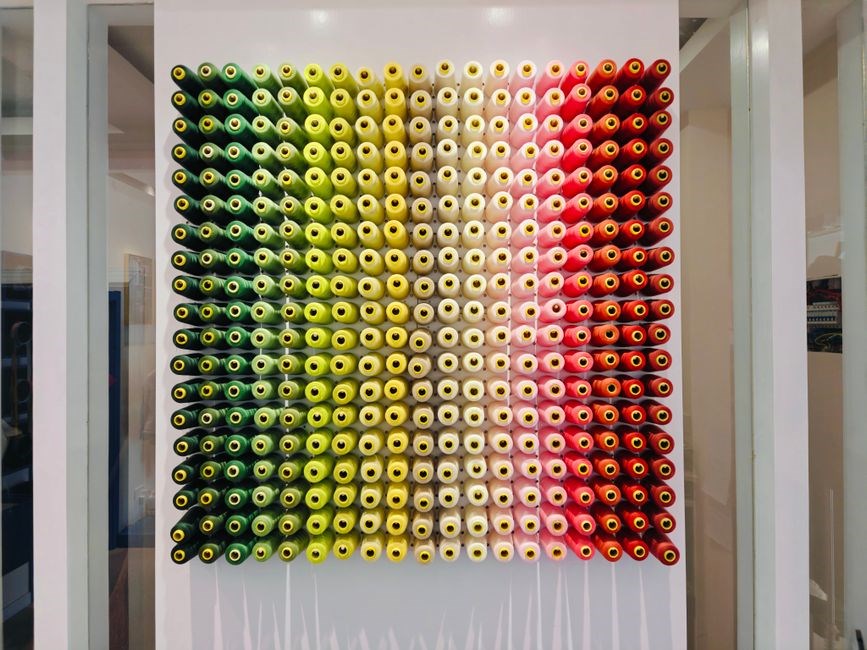
Pantone-Matched Madeira Charts
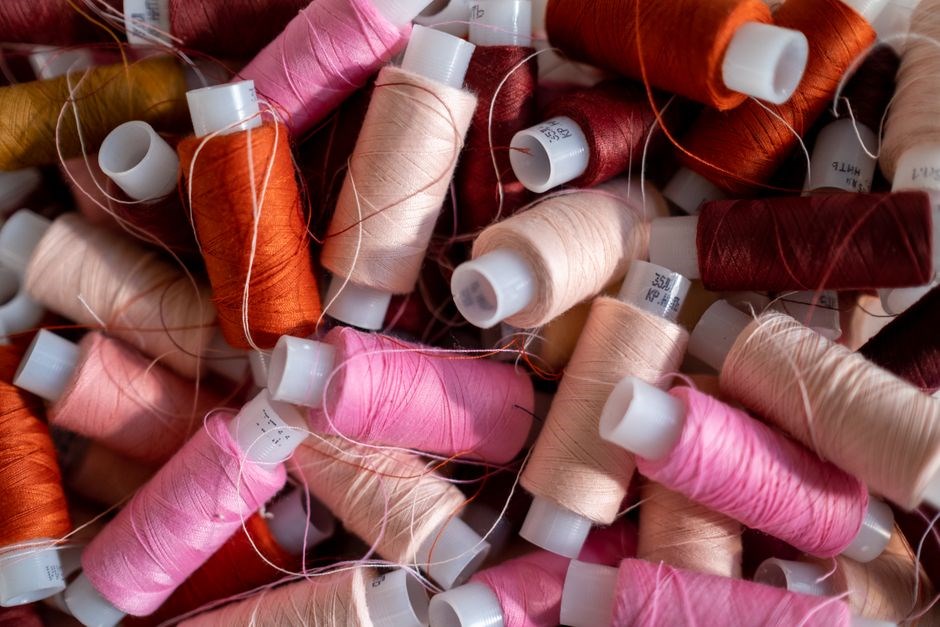
Madeira offers Pantone‑matched charts via its online tool and downloadable PDFs. Each chart lists thread numbers, names, and corresponding Pantone codes, enabling designers to match embroidery colors precisely. The PDFs are free, printable, and updated regularly. Download PDF for quick color checks now2026
Direct Pantone Matching Feature
Madeira’s direct Pantone matching feature is a streamlined, web‑based tool that pairs each thread number with its exact Pantone counterpart. Users simply enter a Pantone code or pick a shade from the interactive palette, and the system instantly displays the corresponding Madeira thread number, name, and color swatch. The feature is integrated into the official Madeira website and is also accessible via the dedicated mobile app, ensuring designers can verify colors on the go. PDF versions of the matched charts are available for download, allowing offline reference during embroidery planning or on‑site work. The PDFs include a sortable table of thread numbers, Pantone codes, and RGB values, making it easy to cross‑check color fidelity across different devices. Because the database is regularly updated to reflect new releases and discontinued shades, users can trust that the match remains accurate over time. The tool supports both standard and metallic lines, and it highlights any discrepancies between the thread’s reflective properties and the Pantone reference, which is particularly useful for achieving consistent color in multi‑layered stitches. For large‑scale projects, designers can export the matched list to CSV format, enabling integration with design software or inventory management systems. This direct matching capability eliminates the need for manual conversion charts, reducing error rates and speeding up the selection process. Whether you’re matching a client’s Pantone spec, blending ombre threads, or converting between brands, Madeira’s direct Pantone matching feature provides a reliable, color‑accurate workflow that supports embroidery excellence from concept to final stitch.
All updates free.!
Converting Pantone to Madeira threads involves a systematic approach that leverages both digital tools and printable reference charts. The first step is to locate the Pantone code that matches the desired hue. Once identified, the user can consult Madeira’s online Pantone matching tool, which instantly returns the corresponding thread number, name, and color swatch. For designers who prefer a reference, the downloadable PDF conversion chart provides a side‑by‑side comparison of Pantone codes and Madeira thread numbers, complete with RGB values and quality notes. This dual‑format availability ensures that color selection remains consistent whether working on a laptop, tablet, or in a studio with limited internet access. When converting between brands, it is essential to account for differences in fiber composition, as polyester and rayon can render colors differently under light. Madeira’s conversion tables include notes on how each fiber type affects saturation and brightness, allowing designers to anticipate visual shifts. Additionally, the PDF charts support bulk conversion by offering a sortable table that can be filtered by color family or numeric range. Users can export the filtered list to CSV for integration with design software or inventory systems. By following workflow—identifying Pantone code, consulting online tool, cross‑checking PDF chart, considering fiber‑specific adjustments—designers achieve color that meet client specifications. This precision ensures satisfaction!!
Conversion Charts for Other Brands
Downloadable PDFs map Madeira threads to Robison‑Anton Rayon and Gunold Poly. Charts list each number, name, and fiber note, letting embroiderers swap brands without losing hue fidelity. Free PDFs are on Madeira’s site and third‑party blogs instantly.
Madeira to Robison‑Anton Rayon
Embroidery professionals need a reliable conversion between Madeira’s rayon range and the Robison‑Anton catalogue. A dedicated PDF chart, available on Madeira’s official site and mirrored on sites like WAWAK, lists each Madeira number next to its Robison‑Anton counterpart, with color swatches and fiber notes. The chart groups colors by families—warm, cool, neutral, metallic—so designers can quickly find the exact hue for a project. Each entry shows the Madeira number, the Robison‑Anton number, the Pantone reference, and a brief finish note (e.g., matte, glossy, metallic). For example, Madeira 1066 (warm amber) maps to Robison‑Anton 2264 (Maize), while Madeira 1234 (cool teal) maps to Robison‑Anton 3456 (Aqua). The PDF also flags gaps where no direct match exists, suggesting the closest alternative. By using this chart, embroiderers can confidently substitute Robison‑Anton rayon for Madeira without compromising color accuracy or stitch quality, ensuring consistency across multi‑brand projects.
Print the PDF for quick reference during design sessions. The chart’s clear layout, with color swatches and numerical alignment, reduces mis‑matching risk. It also includes a quick‑reference table for common colors, ideal for on‑the‑go decisions. Advanced users can import the chart into design software that supports PDF overlays, allowing direct visual comparison with digital artwork. This ensures the chosen Robison‑Anton thread matches the intended Madeira hue when stitched, preserving the final embroidery’s integrity. Use it to keep color consistency daily.
Madeira to Gunold Poly & Rayon
For embroiderers who blend Madeira threads with Gunold’s poly‑rayon line, a dedicated PDF conversion chart is essential. This chart, downloadable from Madeira’s official portal and mirrored on WAWAK, lists each Madeira number alongside its Gunold poly and rayon equivalents, complete with Pantone references and finish descriptors. The layout groups colors by family—warm, cool, neutral, metallic—making it simple to locate the exact shade needed for a design. Each entry includes the Madeira code, the Gunold poly code, the Gunold rayon code, and a brief note on fiber composition (e.g., 100 % polyester, 75 % rayon/25 % polyester). For instance, Madeira 1066 (warm amber) corresponds to Gunold Poly 2264 (Maize) and Gunold Rayon 3456 (Aqua). The PDF also flags unmatched colors, suggesting the nearest alternative within the Gunold range. By consulting this chart, designers can confidently swap Madeira for Gunold without compromising color fidelity or stitch quality. The chart’s high‑resolution swatches allow quick visual confirmation, while the numerical alignment reduces lookup errors. Advanced users can import the PDF into design software that supports overlay, enabling side‑by‑side comparison with digital artwork. This ensures the chosen Gunold thread matches the intended Madeira hue when stitched, preserving the final embroidery’s integrity. Print the PDF for on‑site reference during pattern development, and keep it handy for rapid decision‑making in production environments. The conversion chart also includes a quick‑reference table for the most frequently used colors, allowing designers to bypass the full list when working on standard palettes. Additionally, the PDF provides guidance on selecting the appropriate fiber blend for specific stitch types, such as satin or fill, ensuring optimal drape and durability. By integrating this chart into your workflow, you eliminate guesswork and maintain consistency across multi‑brand projects, ultimately delivering professional‑grade embroidery that meets client expectations. Finally, the chart’s user‑friendly design—clear headings, color boxes, and concise notes—makes it suitable for both seasoned embroiderers and newcomers. Keep the PDF in your digital library for quick access whenever you need to verify a color match or explore new combinations.