-
By:
- collin
- No comment
ford truck parts interchange guide
Understanding the nuances of Ford truck parts interchange is vital for restorers, mechanics, and enthusiasts alike, ensuring cost-effective repairs and project completions.
This comprehensive guide delves into the compatibility of components across various Ford truck generations, offering insights into which parts can be readily swapped.
Navigating this landscape requires knowledge of model years and specific series, as Ford frequently introduced changes impacting interchangeability throughout its history.
Ford’s commitment to building trucks “Built for America” means a vast network of parts and a long history of shared components across models.
Why Understanding Interchange is Crucial
For Ford truck enthusiasts, mastering parts interchange unlocks significant benefits, primarily revolving around cost savings and project feasibility. Original equipment manufacturer (OEM) parts for older trucks can be scarce and prohibitively expensive, making compatible alternatives essential; Knowing which parts from different years or models will function correctly allows resourceful owners to complete restorations or repairs without breaking the bank.
Furthermore, understanding interchange simplifies the sourcing process. Instead of solely focusing on parts specific to a single year or model, a broader search encompassing compatible options dramatically increases availability. This is particularly valuable for rare or discontinued components. Dealerships like Buss Ford in Chicago, with over 87 years of experience, understand the importance of parts availability for classic Ford trucks.
Beyond financial advantages, interchange knowledge empowers informed decision-making. It allows enthusiasts to confidently modify or upgrade their trucks, utilizing parts from newer generations while maintaining compatibility. This knowledge is paramount when undertaking complex projects, ensuring a successful outcome and preserving the vehicle’s integrity.
Scope of this Guide: Years and Models Covered
This guide comprehensively examines Ford truck parts interchangeability spanning from the first-generation F-Series trucks introduced in 1948 through the 1991 models, representing eight distinct generations of Ford’s iconic workhorses. We will meticulously detail component sharing within and between these generations, focusing on commonly swapped parts like cabs, beds, engines, and drivetrain elements.
Specifically, we’ll analyze the commonality between the 1948-1960 “Early Ford” trucks, the 1961-1972 era, and the subsequent generations up to the 1980-1991 models. The guide acknowledges the significant changes introduced with the 1987-1991 EFI and modernization efforts, noting parts specific to that era.
While focusing on the F-Series, we will also touch upon relevant interchange information for similar Ford truck platforms where applicable. This resource aims to be a practical tool for owners of classic Ford trucks seeking to maintain, restore, or modify their vehicles, mirroring the expertise found at dealerships like Metro Ford Sales and Service.
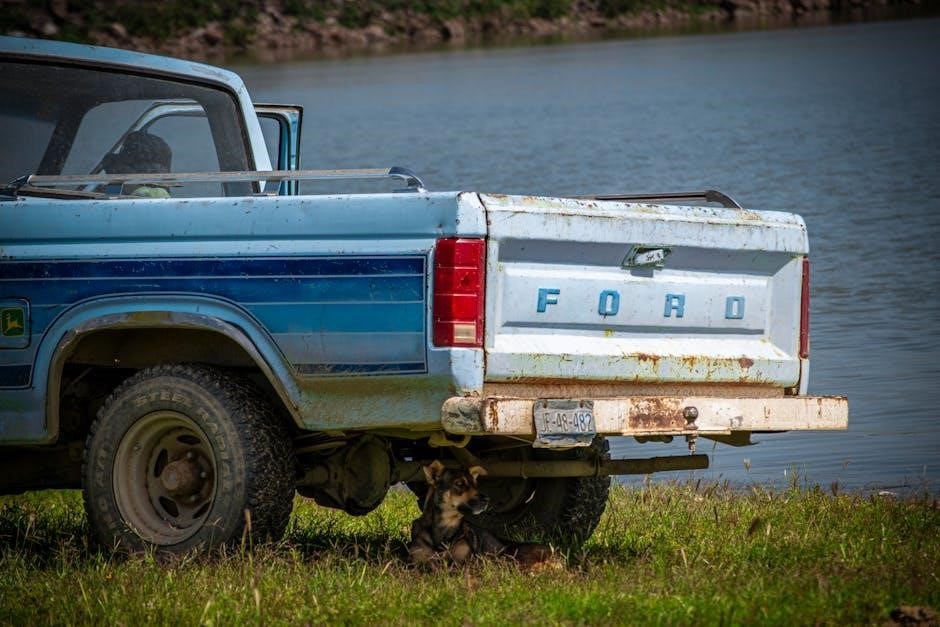
Early Ford Trucks (1948-1960) Interchange
These foundational Ford trucks exhibit substantial parts commonality, simplifying restoration and maintenance for enthusiasts dedicated to preserving these classic vehicles.
F-Series First Generation (1948-1952) Commonality
The initial F-Series trucks, spanning 1948 to 1952, demonstrate a remarkable degree of interchangeability amongst themselves, making parts sourcing relatively straightforward. Core components like engines – primarily the flathead V8 and inline-six – are largely compatible across these years. Body panels, including doors, fenders, and hoods, frequently share dimensions and mounting points, facilitating repairs or body modifications.
However, minor variations exist; trim pieces and specific hardware may differ based on the model year or factory options. Mechanical parts, such as brakes, steering components, and suspension elements, generally exhibit high compatibility, though careful inspection is always recommended. Frames also share a consistent design, allowing for potential chassis swaps or modifications. This strong commonality makes these early F-Series trucks a popular choice for restoration projects, as parts availability remains reasonably good.
F-Series Second Generation (1953-1956) Parts Sharing
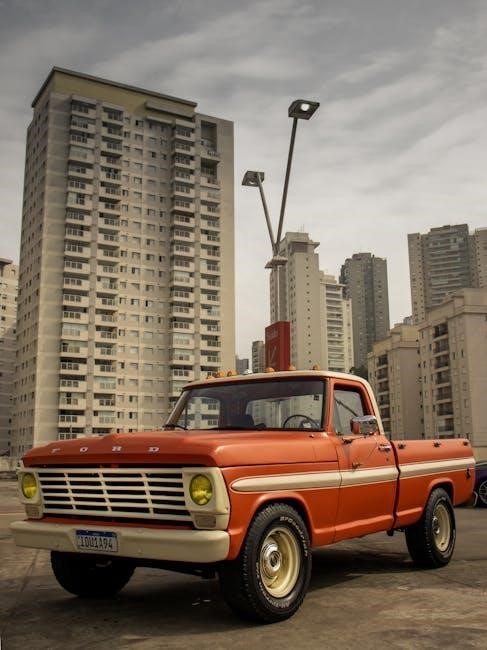
The 1953-1956 F-Series trucks largely maintain the parts-sharing benefits of the first generation, though some subtle changes begin to appear. The core mechanical components, including engines (flathead V8 and inline-six) and transmissions, remain largely interchangeable within this period. Body panels – doors, fenders, cabs – continue to exhibit significant commonality, simplifying bodywork and restoration efforts.
However, the 1956 models introduced styling updates, particularly in the front grille and trim, leading to some non-interchangeability with earlier years. Brake systems also saw minor revisions. While many suspension and steering parts remain compatible, verifying fitment is crucial. Overall, the 1953-1956 series offers a good level of parts interchange, but awareness of the 1956-specific changes is essential for accurate restoration or repair work.
Third Generation (1957-1960) – Key Interchangeable Components
The 1957-1960 Ford F-Series represents a significant styling departure, yet retains considerable parts interchangeability within the generation. Engines – including the updated Y-block V8 – and transmissions largely carry over and are interchangeable. Many cab components, such as doors and interior panels, remain consistent across these years. Bed sides and floor pans also demonstrate good compatibility, aiding restoration projects.
However, the 1958 and 1959 models feature unique trim and badging, making these parts specific to those years. Front sheet metal, particularly the grille and hood, also differs. Suspension components generally interchange, but verifying specific spring rates and shock absorber compatibility is recommended. Brake systems remain largely consistent, though minor variations exist. Careful attention to model year specifics is crucial for accurate parts selection.
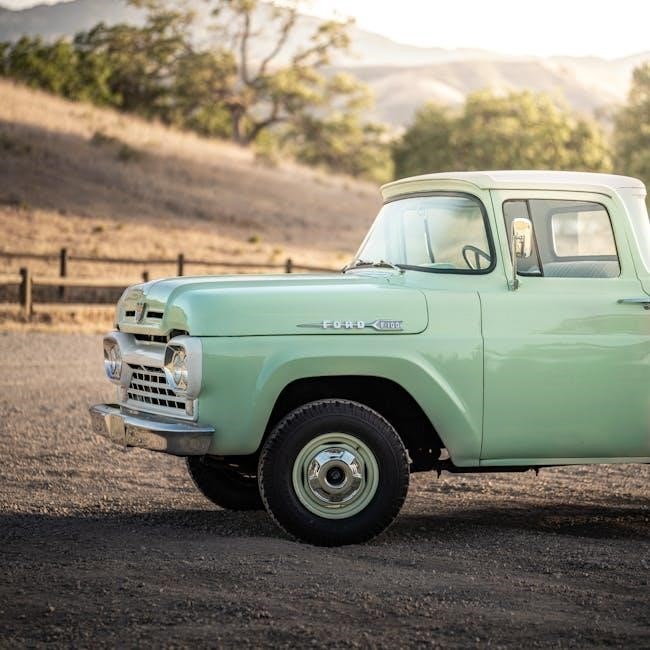
Ford F-Series Trucks (1961-1966)
This generation saw a move towards more standardized components, increasing interchangeability within the 1961-1966 range, simplifying restoration and repair efforts.
Fourth Generation (1961-1966) – Cab and Bed Compatibility
The fourth-generation Ford F-Series trucks (1961-1966) exhibit a remarkable degree of cab and bed interchangeability, particularly between models within the same weight class. For instance, a cab from a 1961 F-100 will generally fit a 1966 F-100 without significant modification. Similarly, short-bed fleetside beds are often directly swappable across these years.
However, careful consideration must be given to specific configurations. Long beds, while sharing mounting points, may have slight variations in length depending on the exact model and year. Cab differences exist between the F-100/250 and the heavier-duty F-350, requiring attention to mounting points and floor pan configurations. Furthermore, variations in trim and interior components necessitate matching or adapting these elements during a swap. Always verify bolt patterns and dimensions before committing to a cab or bed interchange.
Engine and Drivetrain Interchange within this Generation
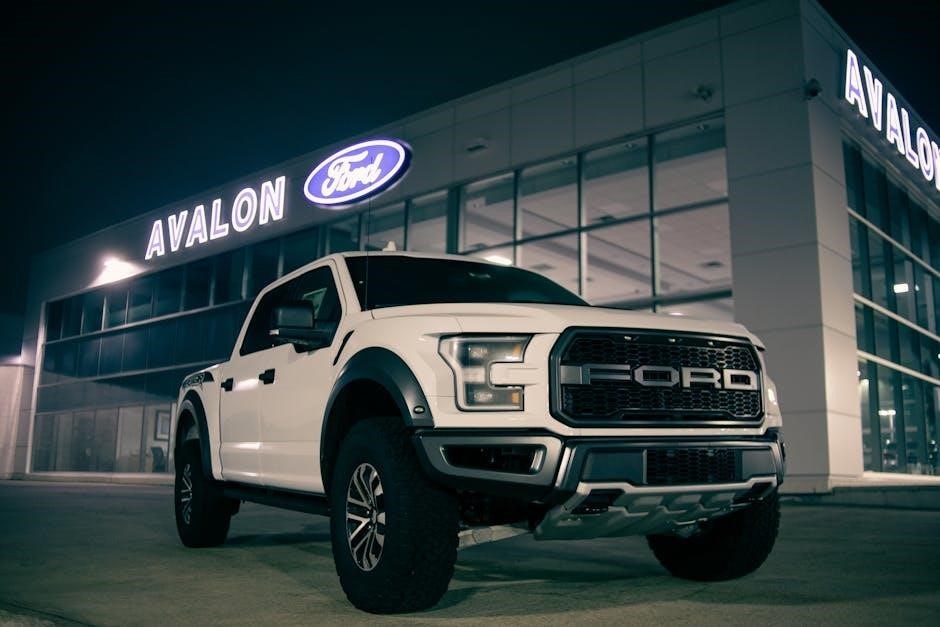
The 1961-1966 Ford F-Series trucks offer considerable engine and drivetrain interchangeability, though careful planning is crucial. The most common engines – the 223, 300 straight-six, and the 352/390 FE V8s – can often be swapped between models. However, accessory brackets and exhaust manifolds may require adjustments based on the specific engine and truck configuration.
Drivetrain swaps are also feasible, with the Ford four-speed manual and three-speed automatic transmissions being relatively interchangeable. Bellhousing patterns are consistent across many of these engines, simplifying the process. However, adapting to different rear axle ratios or switching between two-wheel and four-wheel drive necessitates careful consideration of driveshaft lengths, mounting points, and potential differential gear changes. Always verify compatibility before undertaking a major drivetrain swap.
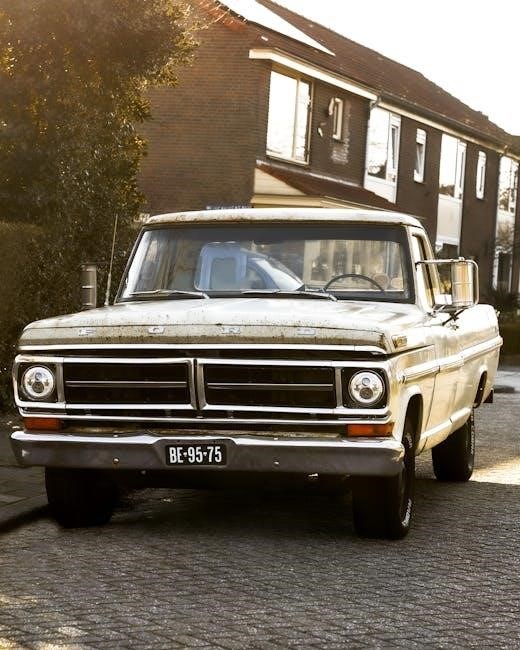
Ford F-Series Trucks (1967-1972)
This generation represents a significant leap in Ford truck design, offering increased comfort and capability, while maintaining a degree of parts commonality.
Fifth Generation (1967-1972) – Suspension Component Sharing
The 1967-1972 Ford F-Series trucks, representing the fifth generation, exhibit considerable suspension component sharing across the model range, simplifying restoration and modification projects. Generally, parts like leaf springs, shock absorbers, and U-bolts are largely interchangeable between two-wheel drive and four-wheel drive models within these years.
However, careful consideration must be given to specific Gross Vehicle Weight Rating (GVWR) designations, as heavier-duty trucks received upgraded suspension components. Spindles and steering components demonstrate some interchangeability, but variations exist based on factory options and trim levels.
When sourcing parts, verifying the original GVWR and intended application is crucial to ensure proper fitment and functionality. Disc brake conversions, increasingly popular during this era, often require specific spindles and related hardware, potentially limiting interchange with factory drum brake setups. Thorough research and cross-referencing part numbers are highly recommended.
Brake System Interchangeability
Brake system interchangeability within the 1967-1972 Ford F-Series generation presents some complexities, demanding careful attention to detail. Early models (1967-1968) primarily utilized drum brakes on all four wheels, with master cylinders and brake lines exhibiting reasonable compatibility across the range. However, the introduction of front disc brakes as an option in later years (1969-1972) necessitates distinct component sourcing.
Swapping between drum and disc brake systems requires complete component changes, including spindles, calipers, rotors, and master cylinders. Booster size and brake line routing can also differ, requiring adjustments.
While some interchange exists within the disc brake systems themselves, verifying compatibility based on GVWR and factory options is vital. Careful consideration of pedal assembly differences is also crucial for proper brake function and safety.
Ford F-Series Trucks (1973-1979)
This generation marked significant changes, yet retains interchangeability for many body panels, offering restoration flexibility and parts availability for enthusiasts.
Sixth Generation (1973-1979) – Significant Changes and Limitations
The 1973-1979 Ford F-Series underwent substantial modifications, introducing a new frame and body style, impacting interchangeability with prior generations. While many components remain shared within this specific generation, careful consideration is needed when sourcing parts.
Notably, the transition to a more aerodynamic design and increased cabin space led to differences in door and window dimensions, limiting swaps with earlier models. Engine mounting points and drivetrain configurations also experienced alterations, requiring specific components for correct fitment.
Despite these changes, core mechanical parts like certain brake components, steering gears, and suspension elements often exhibit compatibility across the 1973-1979 range. However, verifying part numbers and consulting detailed interchange guides is crucial to avoid costly mistakes during restoration or repair projects.
Common Interchange Parts: Doors, Hoods, and Fenders
Within the 1973-1979 Ford F-Series generation, doors, hoods, and fenders demonstrate a relatively high degree of interchangeability, simplifying bodywork and restoration efforts. However, subtle variations exist based on cab configuration – standard, SuperCab, and trim levels.
Generally, doors between two-wheel drive and four-wheel drive models are directly interchangeable, offering flexibility in sourcing replacements. Hoods and fenders also share commonality, though minor discrepancies in mounting points or curvature may require adjustments during installation.
Careful attention should be paid to identifying the original truck’s year and model to ensure a proper fit. Parts from different years within the 1973-1979 range are often compatible, but verifying part numbers remains a best practice for optimal results and a seamless restoration.
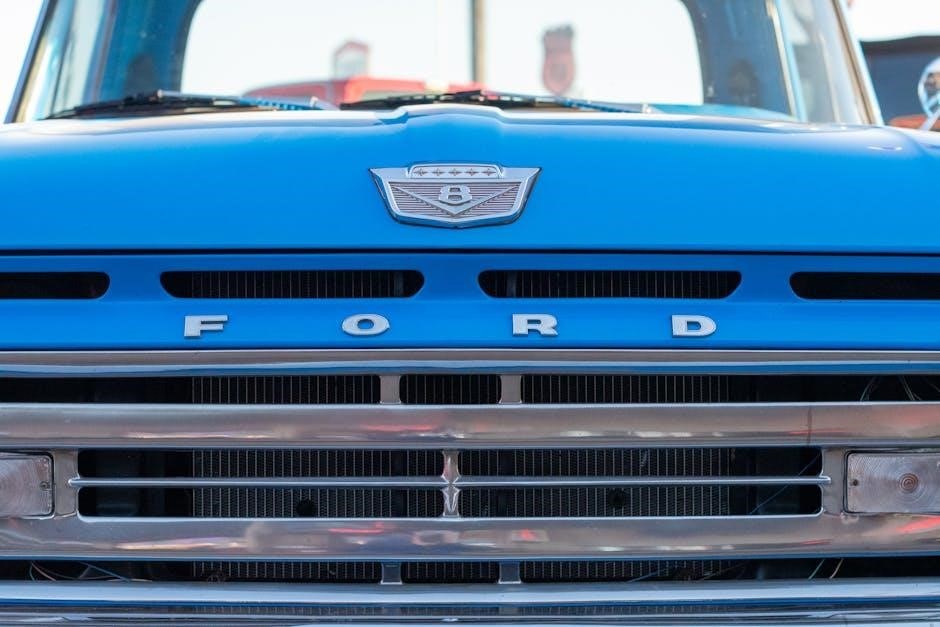
Ford F-Series Trucks (1980-1986)
The seventh generation introduced new components, yet retained interchange with earlier models in certain areas, presenting both opportunities and challenges for restorers.
The 1980-1986 Ford F-Series marked a significant shift with the introduction of numerous new components, impacting parts interchangeability compared to previous generations. Notably, the front suspension underwent substantial redesigns, limiting direct swapping with earlier models. Steering systems also saw changes, particularly with the adoption of more modern power steering configurations.
Body panels, while appearing similar, often feature unique mounting points and dimensions, making cross-generation bodywork more complex. Interior components experienced updates in design and materials, reducing compatibility with older trucks. Electrical systems were modernized, introducing new wiring harnesses and electronic modules that aren’t directly interchangeable.
Despite these changes, some core components like certain engine parts and drivetrain elements retained a degree of interchangeability, but careful verification is always recommended before assuming compatibility.
Interchange with Earlier Models – What Still Works?
Despite the significant changes in the 1980-1986 Ford F-Series, some interchangeability with earlier generations remains, primarily in engine and drivetrain components. Many 302 and 351 Windsor engine parts can be used across several years, though verifying specific casting numbers is crucial. Certain transmission components, like bell housings and some internal parts, may also be compatible.
However, caution is advised when considering body or chassis parts. While some smaller trim pieces might fit, major components like doors, fenders, and cabs generally require parts specific to the 1980-1986 models. Electrical components are largely incompatible due to wiring harness and control module differences.
Careful research and cross-referencing part numbers are essential for successful interchange projects.
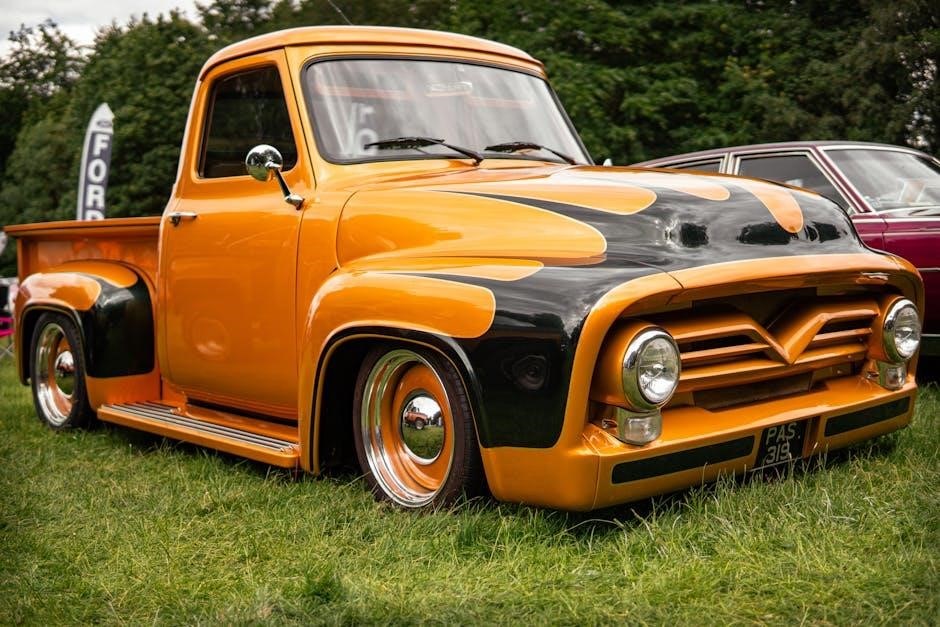
Ford F-Series Trucks (1987-1991)
The eighth-generation F-Series introduced electronic fuel injection (EFI) and modernization, creating a distinct parts landscape with limited interchangeability with prior models.
Eighth Generation (1987-1991) – EFI and Modernization
The 1987-1991 Ford F-Series trucks marked a significant leap forward with the widespread adoption of Electronic Fuel Injection (EFI) systems, fundamentally altering engine management and component compatibility. This generation also saw substantial modernization in suspension, braking, and electrical systems, further differentiating it from earlier models.
Consequently, interchangeability with pre-1987 trucks is considerably reduced, particularly concerning engine components, wiring harnesses, and computer modules. While some body panels like doors and potentially fenders might still fit earlier generations, significant modifications are often required due to differing mounting points and electrical connections.
Parts specific to this era, such as EFI sensors, fuel pumps, and computer control units, are generally not interchangeable with carbureted models. Brake components, while sharing some similarities, may have variations in size and mounting configurations. Careful consideration and research are crucial when sourcing parts for these trucks.
Parts Specific to the 1987-1991 Era
The 1987-1991 Ford F-Series introduced numerous parts unique to this generation, largely due to the shift towards electronic systems and modernized designs. Identifying these components is crucial for accurate restoration or repair work, as interchangeability with older models is often limited or nonexistent.
Key examples include the various EFI sensors (mass airflow, throttle position, oxygen), the electronic fuel pump assemblies, and the engine control module (ECM) itself. Interior components, such as the instrument clusters with digital displays and updated switchgear, are also largely specific to this period.
Brake master cylinders and boosters may differ from earlier designs, and the introduction of anti-lock braking systems (ABS) added further complexity. When sourcing parts, always verify compatibility with the specific year and model within this 1987-1991 range to avoid fitment issues.