
-
By:
- collin
- No comment
basketball workout plan pdf
Basketball Workout Plan PDF: A Comprehensive Guide
Recent updates to high school basketball rules, like flopping penalties, alongside evolving team rankings and all-star selections,
highlight the need for adaptable training programs.
Basketball conditioning transcends simple endurance; it’s a multifaceted approach demanding a blend of cardiovascular fitness, explosive power, agility, and strength. The recent rule changes, such as addressing flopping, emphasize a need for players to be physically and strategically prepared. A well-structured plan isn’t merely about running drills, but about simulating game intensity.
Kentucky high school basketball’s dynamic landscape – with shifting rankings and all-star teams – underscores the competitive edge gained through dedicated conditioning. Effective programs must address both on-season maintenance and crucial off-season rebuilding. This involves targeted workouts, recovery protocols, and a nutritional strategy designed to optimize performance and minimize injury risk, ultimately enhancing a player’s overall contribution.

Importance of a Structured Workout Plan
A haphazard approach to basketball training yields inconsistent results. The evolving nature of the game, evidenced by rule adjustments like the flopping penalty, demands adaptable athletes. A structured plan, mirroring the intensity of Kentucky’s competitive high school scene, ensures progressive overload and targeted development.
Without a plan, players risk plateaus, injuries, and inadequate preparation for game demands. Considering team rankings and all-star selections, consistent, focused training is paramount. A well-defined program incorporates periodization – varying intensity and volume – to optimize performance, prevent burnout, and build resilience. This systematic approach maximizes potential and fosters long-term athletic success.
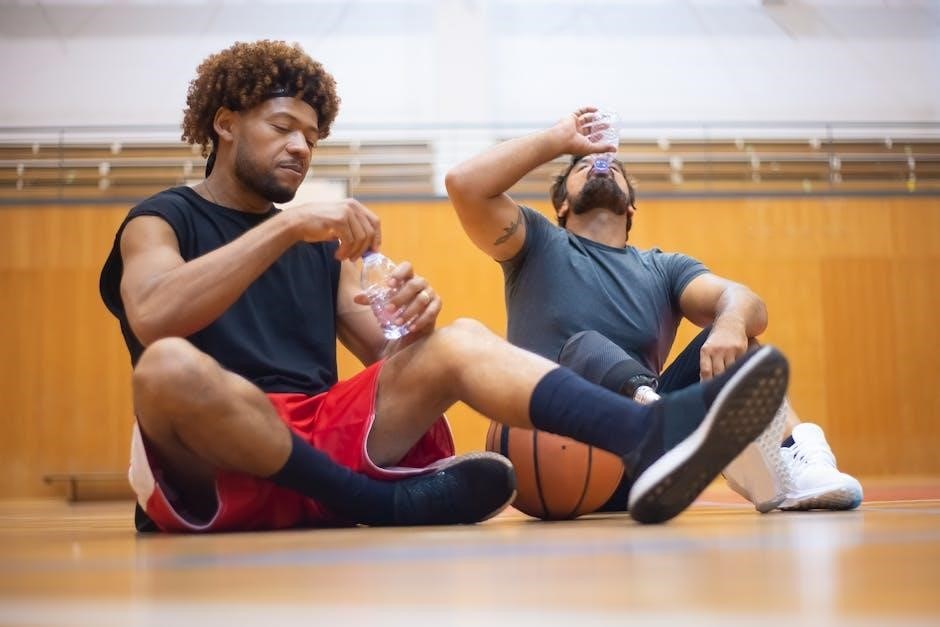
Pre-Season Basketball Workout (6-8 Weeks)
Preparing for the season requires a phased approach, building foundational fitness and skills before ramping up intensity, mirroring Kentucky’s competitive high school schedules.
Phase 1: Building a Base (Weeks 1-2)
This initial phase focuses on establishing a solid athletic foundation. Cardiovascular endurance training should include low-intensity steady-state cardio, like jogging or cycling, for 30-45 minutes, three times weekly. Strength training for beginners emphasizes bodyweight exercises – squats, push-ups, lunges – performed with proper form.
Aim for three sets of 10-12 repetitions for each exercise, twice a week, allowing for adequate rest. Flexibility work, including dynamic stretching before workouts and static stretching afterward, is crucial. Prioritize mastering fundamental movement patterns and building work capacity. This stage prepares the body for more demanding training in subsequent phases, mirroring the preparation seen in Kentucky’s high school programs.
Cardiovascular Endurance Training
Basketball demands sustained high-intensity effort; therefore, a robust cardiovascular system is paramount. Begin with 30-45 minute sessions of low-intensity steady-state cardio three times per week. Activities like jogging, cycling, or swimming are excellent choices. Gradually increase duration and intensity.
Introduce interval training – short bursts of high-intensity effort followed by recovery periods – in later weeks. This mimics game situations. Monitoring heart rate can optimize training effectiveness. Remember, Kentucky high school teams are actively preparing, so consistent cardio is key. Focus on building a base before progressing to more strenuous drills, ensuring a solid foundation for peak performance.
Strength Training for Beginners
Building a foundation of strength is crucial for injury prevention and enhanced performance. Start with bodyweight exercises like squats, push-ups, lunges, and planks, performing 3 sets of 10-12 repetitions. Focus on proper form to avoid injuries. As strength increases, gradually introduce light weights.
Prioritize compound exercises that work multiple muscle groups simultaneously; Consider exercises like dumbbell rows and overhead presses. Remember, Kentucky teams are gearing up for competition, so consistent strength training is vital. Proper technique is more important than lifting heavy weights initially. Listen to your body and allow for adequate recovery between sessions.
Phase 2: Increasing Intensity (Weeks 3-4)
This phase focuses on elevating the demands placed on your cardiovascular and muscular systems. Introduce interval training drills, alternating between high-intensity bursts and periods of active recovery. Plyometrics, such as box jumps and jump squats, are incorporated to develop explosive power, mirroring game-like movements.
Kentucky high school basketball is heating up, demanding peak physical condition. Increase weightlifting loads gradually, maintaining proper form. Monitor your body’s response and adjust accordingly. Remember, the goal is to prepare for the rigors of gameplay. Focus on drills that simulate game scenarios, enhancing both physical and mental preparedness for upcoming challenges.
Interval Training Drills
Implement drills mirroring the stop-and-start nature of basketball. Shuttle runs, incorporating varied distances (e.g., 30-60 feet), build anaerobic capacity. Court sprints, alternating between full-court and half-court dashes, enhance speed and endurance. Utilize the “suicide” drill, progressively increasing distances, to challenge cardiovascular limits.
Kentucky’s competitive high school scene requires peak conditioning. Rest periods should be strategically implemented – active recovery (light jogging) is preferable to complete rest. Track your times and strive for incremental improvements each session. Remember, interval training isn’t just about speed; it’s about repeated efforts with minimal recovery, simulating game fatigue.
Plyometrics for Explosiveness
Enhance jumping ability and quickness with plyometric exercises. Box jumps, varying heights to match skill level, develop lower body power. Depth jumps, stepping off a box and immediately jumping, increase reactive strength. Incorporate lateral bounds, focusing on side-to-side explosiveness, crucial for defensive agility.
Kentucky’s fast-paced basketball demands explosive movements. Proper form is paramount to prevent injuries; start with lower intensity and gradually increase. Combine plyometrics with strength training for optimal results. Remember, quality over quantity – focus on maximizing power output with each repetition. Prioritize landing mechanics to minimize stress on joints.
Phase 3: Game-Specific Conditioning (Weeks 5-6)
Transition to drills mirroring game intensity and fatigue. Shooting drills performed after sprints simulate late-game scenarios, demanding accuracy under pressure. Defensive slides with quick changes of direction build agility and stamina. Implement full-court drills, replicating game pace and requiring sustained effort.
Kentucky high school basketball’s competitive nature necessitates this phase. Focus on decision-making while fatigued, mirroring real game situations. Incorporate competitive elements into drills, fostering mental toughness. Monitor player fatigue closely to prevent overtraining. This phase prepares athletes for the physical and mental demands of the upcoming season.
Shooting Drills with Fatigue
Combine shooting practice with cardiovascular exertion. Begin with a series of full-court sprints, immediately followed by spot-up shooting from various locations. Implement “beat the clock” shooting drills, requiring quick shots under time pressure after intense bursts of activity. Focus on maintaining proper shooting form despite fatigue, emphasizing technique over speed.
Kentucky’s competitive high school scene demands endurance. Incorporate shooting drills after defensive slides or agility work. Track shooting percentages throughout fatigue sets to monitor performance decline. This simulates late-game scenarios, building mental resilience and shooting consistency when physically exhausted.
Defensive Agility Drills
Enhance lateral quickness and reaction time with focused drills. Implement cone drills, requiring rapid changes in direction and low stances. Shuttle runs, emphasizing quick feet and explosive movements, are crucial. Practice defensive slides, maintaining a balanced posture and active hands. Incorporate reaction drills, responding to coach’s cues or simulated offensive moves.
Kentucky’s competitive basketball requires strong defense. Simulate game situations with one-on-one defensive drills, focusing on staying in front of the opponent. Track agility times to measure improvement. These drills build the stamina needed for intense defensive possessions, mirroring the demands of high school play.

In-Season Basketball Workout (Maintenance)
Prioritize maintaining conditioning levels during the season, focusing on recovery and preventing injuries while balancing game schedules and practice demands effectively.
Maintaining Strength and Endurance
During the competitive season, the focus shifts from building to sustaining strength and endurance. Avoid exhaustive workouts that could lead to overtraining and injury. Instead, implement light weightlifting sessions two to three times per week, concentrating on maintaining muscle mass and power.
These sessions should prioritize compound movements like squats, deadlifts (with reduced weight), and bench presses, performed with higher repetitions and lower intensity. Cardiovascular work should be incorporated through short, high-intensity interval training (HIIT) sessions or moderate-intensity steady-state cardio, ensuring it doesn’t compromise recovery.
The goal is to prevent detraining while allowing the body to adequately recover from the demands of games and practices. Listen to your body and adjust the intensity and volume accordingly, prioritizing quality over quantity.
Light Weightlifting Sessions
In-season weightlifting should prioritize maintenance, not maximal gains. Focus on 2-3 sessions weekly, utilizing lighter loads – approximately 50-60% of your 1-rep max. Emphasize higher repetitions (12-15) to build muscular endurance and promote recovery. Compound exercises remain crucial: squats, deadlifts (reduced weight!), bench press, and overhead press.
Incorporate isolation exercises targeting key basketball muscles: biceps curls, triceps extensions, and calf raises. Proper form is paramount; avoid ego lifting. Prioritize controlled movements and full range of motion. These sessions should be shorter, lasting around 45-60 minutes, to minimize fatigue.
Remember, the aim is to support on-court performance, not to exhaust the body.
Focus on Recovery and Injury Prevention
Basketball’s demands necessitate a robust recovery strategy. Prioritize 7-9 hours of sleep nightly to facilitate muscle repair and hormonal balance. Active recovery, like low-impact cardio, enhances blood flow without exacerbating fatigue. Consistent stretching – both static and dynamic – improves flexibility and range of motion, reducing injury risk.
Foam rolling targets muscle tightness and improves tissue quality. Address any nagging pains immediately; don’t “play through” discomfort. Hydration is critical; replenish fluids lost during practices and games. Nutrition plays a vital role; consume a balanced diet rich in protein and essential nutrients.
Proactive recovery minimizes downtime and maximizes performance.
Stretching and Foam Rolling
Dynamic stretching before workouts prepares muscles for activity, increasing blood flow and flexibility. Include leg swings, arm circles, and torso twists. Static stretching, holding each stretch for 20-30 seconds, is best after workouts to improve range of motion and reduce muscle soreness.
Foam rolling self-myofascial release, targets muscle knots and tightness. Focus on major muscle groups – quads, hamstrings, calves, back, and shoulders. Apply moderate pressure and roll slowly, pausing on tender spots. Consistent foam rolling improves tissue quality and prevents injuries.
Combine stretching and foam rolling for optimal recovery and performance.
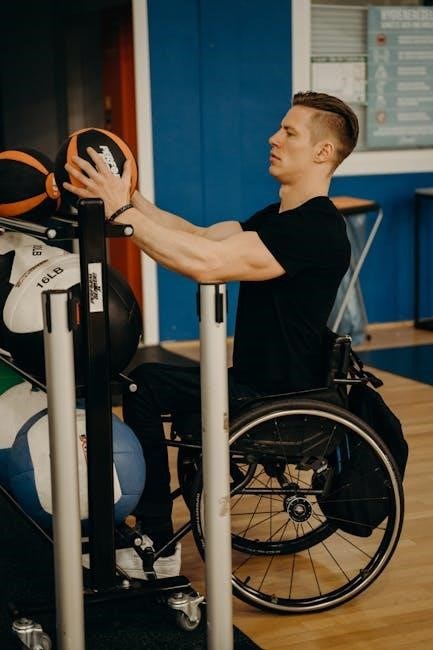
Post-Season Basketball Workout (Recovery & Rebuilding)
Transitioning from intense competition requires active recovery, prioritizing low-impact cardio and flexibility to rebuild, prevent stagnation, and prepare for future seasons.
Active Recovery Techniques
Following a demanding basketball season, prioritizing active recovery is paramount. This isn’t simply rest; it’s engaging in low-intensity activities that promote blood flow and reduce muscle soreness. Consider incorporating light swimming, cycling, or brisk walking into your routine. These exercises aid in flushing out metabolic waste products accumulated during intense training and games.
Furthermore, dynamic stretching and foam rolling are invaluable tools. Dynamic stretches, like leg swings and arm circles, improve range of motion, while foam rolling helps release muscle tension and address knots. Remember to listen to your body and avoid pushing through pain. Proper hydration and nutrition are also crucial components of effective recovery, supporting muscle repair and overall well-being.
Low-Impact Cardio and Flexibility
Post-season recovery demands a shift towards low-impact cardiovascular exercises. Activities like swimming, cycling, or even leisurely walking are excellent choices, minimizing stress on joints while maintaining cardiovascular health. These options allow the body to recover from the rigors of the season without complete deconditioning.
Simultaneously, prioritize flexibility work. Static stretching, holding each stretch for 30 seconds, improves muscle length and reduces the risk of future injuries. Yoga and Pilates can also be beneficial, enhancing core strength and body awareness. Consistent flexibility training supports joint health and prepares the body for the demands of the next season’s training regimen.

Essential Workout Components
A well-rounded plan requires structured warm-ups and cool-downs, alongside targeted exercises, to maximize performance and minimize injury risk during basketball training.
Warm-up Routine
Prior to any intense basketball activity, a dynamic warm-up is crucial. Begin with 5-10 minutes of light cardio, such as jogging or jumping jacks, to elevate heart rate and increase blood flow to the muscles. Follow this with dynamic stretching, focusing on movements that mimic basketball-specific actions.

Include exercises like arm circles, leg swings, torso twists, and high knees. These movements improve range of motion and prepare muscles for exertion. Incorporate agility drills, like cone drills or lateral shuffles, to enhance coordination and quickness. A proper warm-up minimizes the risk of injury and optimizes performance by preparing the body for the demands of the workout. Spend at least 15-20 minutes on a thorough warm-up before each session.
Cool-down Routine
Following an intense basketball workout, a cool-down is essential for recovery and injury prevention. Begin with 5-10 minutes of light cardio, such as walking or slow jogging, to gradually decrease heart rate and blood pressure. Transition into static stretching, holding each stretch for 20-30 seconds.
Focus on major muscle groups used during the workout, including hamstrings, quadriceps, calves, and shoulders. Static stretching improves flexibility and reduces muscle soreness. Incorporate foam rolling to release muscle tension and promote recovery. A proper cool-down aids in removing metabolic waste products and restoring muscles to their resting length, optimizing recovery and preparing the body for future workouts.

Sample Weekly Workout Schedule
Kentucky high school basketball’s competitive landscape, with evolving rankings and game broadcasts, demands a structured weekly plan for peak performance and consistent improvement.
Monday: Strength & Conditioning
Focus on building a foundational strength base crucial for basketball performance. Begin with a dynamic warm-up, including jumping jacks, high knees, and arm circles – approximately 10 minutes. Follow with compound exercises like squats (3 sets of 8-12 reps), deadlifts (3 sets of 5-8 reps), and bench press (3 sets of 8-12 reps).
Incorporate accessory exercises targeting core stability – planks (3 sets, holding for 30-60 seconds) and Russian twists (3 sets of 15-20 reps per side). Don’t neglect upper body strength; include pull-ups (as many reps as possible, 3 sets) or lat pulldowns. Finish with a cool-down, emphasizing static stretching, holding each stretch for 30 seconds. Remember, proper form is paramount to prevent injuries, mirroring the evolving safety standards in Kentucky high school sports.
Wednesday: Skill Development & Cardio
Dedicate this session to honing basketball-specific skills alongside cardiovascular endurance. Start with 15 minutes of ball-handling drills – crossovers, behind-the-back dribbles, and figure eights. Transition into shooting practice, focusing on form and consistency; perform 100 shots from various spots.
Follow with interval cardio, mimicking game intensity – sprint for 30 seconds, jog for 60 seconds, repeat 10-15 times. Incorporate agility drills like cone drills and shuttle runs to improve quickness and court movement, essential for defensive agility. Cool down with light jogging and static stretching, acknowledging the importance of recovery, especially during the competitive season highlighted by Kentucky’s evolving high school sports landscape.
Friday: Game Simulation & Recovery
This day focuses on replicating game conditions and prioritizing recovery. Begin with a 30-minute scrimmage, emphasizing strategic play and decision-making under fatigue, mirroring the intensity of games like those in the KOB Finals. Follow this with light shooting drills, focusing on maintaining form even when tired.
Crucially, dedicate the remainder of the session to recovery. Implement a comprehensive cool-down including static stretching, holding each stretch for 30 seconds. Incorporate foam rolling to address muscle soreness, acknowledging the demands of a season with evolving rules like the new flopping penalty. Prioritize hydration and nutrition to aid muscle repair, preparing for the next week’s training cycle.

Nutrition for Basketball Players
Optimal performance requires strategic fueling. Hydration is key, alongside a balanced macronutrient intake to support intense training and recovery, mirroring competitive seasons.
Hydration Strategies
Maintaining peak performance demands a proactive hydration plan. Basketball’s high-intensity nature leads to significant fluid loss through sweat, impacting endurance and cognitive function. Players should begin hydrating before practice or games, consuming approximately 16-20 ounces of water 2-3 hours beforehand.
During activity, regular fluid intake – 4-8 ounces every 15-20 minutes – is crucial. Post-workout, replenish lost fluids with water or electrolyte-rich beverages. Monitoring urine color can indicate hydration status; pale yellow suggests adequate hydration, while dark yellow signals dehydration. Avoid sugary drinks, as they can hinder absorption and contribute to energy crashes. Individual needs vary based on factors like body weight, intensity, and environmental conditions, necessitating personalized hydration strategies.
Macronutrient Balance
Optimal basketball performance hinges on a carefully balanced macronutrient intake. Carbohydrates are the primary fuel source, providing energy for intense activity; prioritize complex carbohydrates like whole grains, fruits, and vegetables. Protein is vital for muscle repair and growth, supporting recovery from strenuous workouts – lean meats, fish, and beans are excellent choices.
Healthy fats are essential for hormone production and overall health, but should be consumed in moderation. A typical macronutrient ratio for basketball players is 50-60% carbohydrates, 20-30% protein, and 20-30% fats. Timing is also key; consume carbohydrates before and after workouts, and protein throughout the day to maximize recovery and performance.

Resources for Basketball Workout PDFs
Numerous online platforms and high school sports resources offer downloadable basketball training programs, catering to various skill levels and seasonal needs for players.
Online Basketball Training Programs
The digital landscape provides a wealth of basketball training programs, ranging from free resources to premium subscription services. These platforms often feature downloadable PDF workout plans tailored to specific positions, skill levels, and phases of the season.
Many programs incorporate video demonstrations of drills, allowing players to visualize proper technique and form.
Some notable options include programs focusing on shooting improvement, agility training, and strength & conditioning specifically for basketball athletes.
Furthermore, several websites compile links to free basketball drills and workout PDFs, offering a cost-effective starting point for players and coaches.
Remember to evaluate the credibility of the source and ensure the program aligns with your individual needs and goals before committing.
High School Basketball Training Resources
Numerous organizations and coaches offer basketball training resources specifically geared towards high school athletes. The National Federation of State High School Associations (NFHS) provides rulebooks and educational materials, including updates on regulations like the recent flopping penalty clarification.
Kentucky High School Sports forums are excellent hubs for discovering teams broadcasting games online, offering opportunities to analyze gameplay and potentially find shared workout plans.
Local basketball clubs and experienced high school coaches often conduct clinics and camps, providing structured training programs and personalized feedback.
Additionally, KSR (Kentucky Sports Radio) publishes preseason rankings, offering insights into competitive landscapes and potential training focuses.
Utilizing these resources can significantly enhance a high school player’s development.